
About Our Project Process
From Inquiry to Sample
to Production
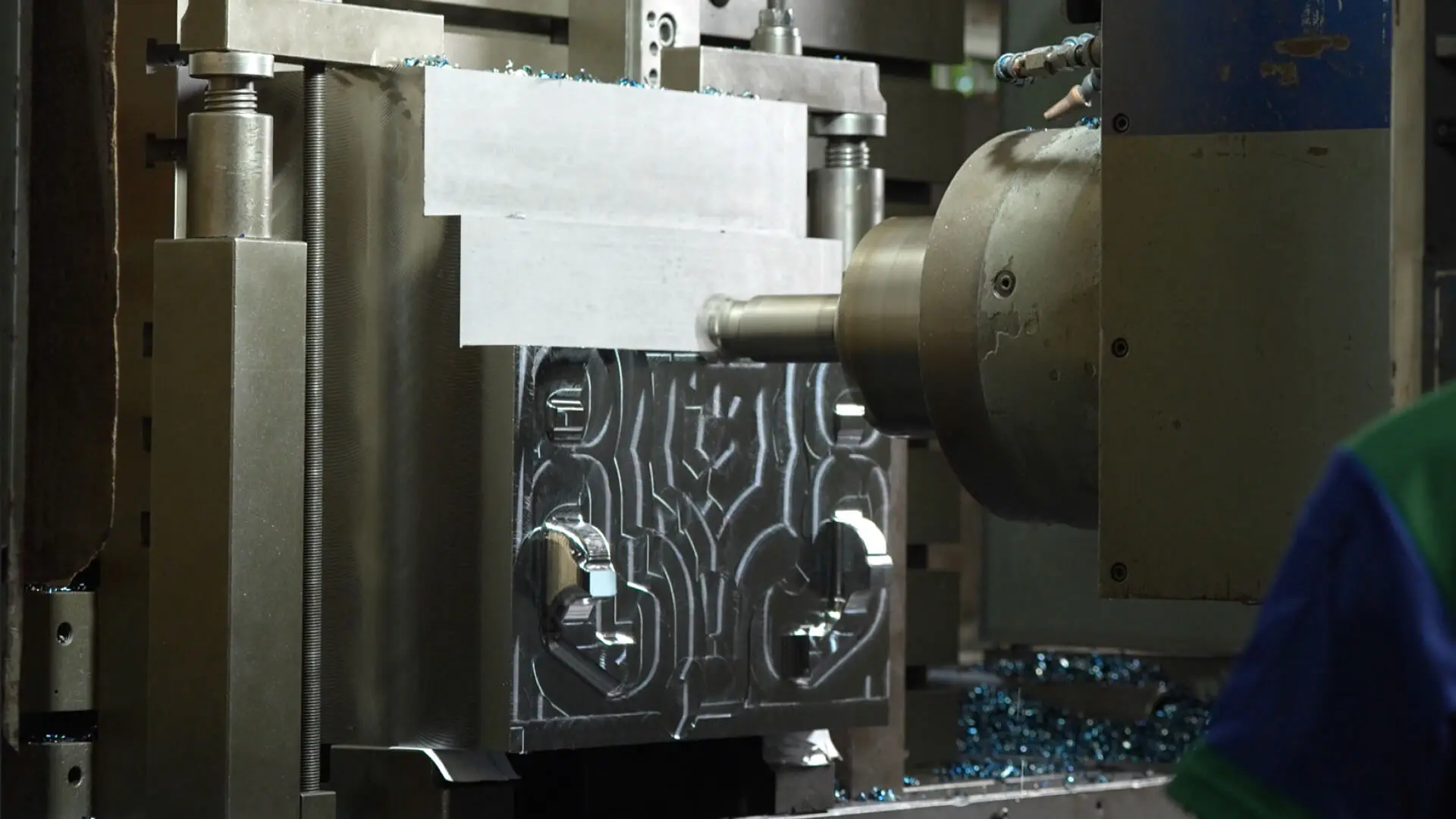
New programs begin with a mutual NDA followed by exchange of 2D and 3D engineering data for quotation. Once commercial terms are agreed, customer mold specifications and injection machine data are reviewed, DFM and moldflow analysis are completed, and any structural concerns are discussed and resolved before steel is cut.
This upfront engineering review reduces late-stage mold changes and shortens the path to a stable production process.
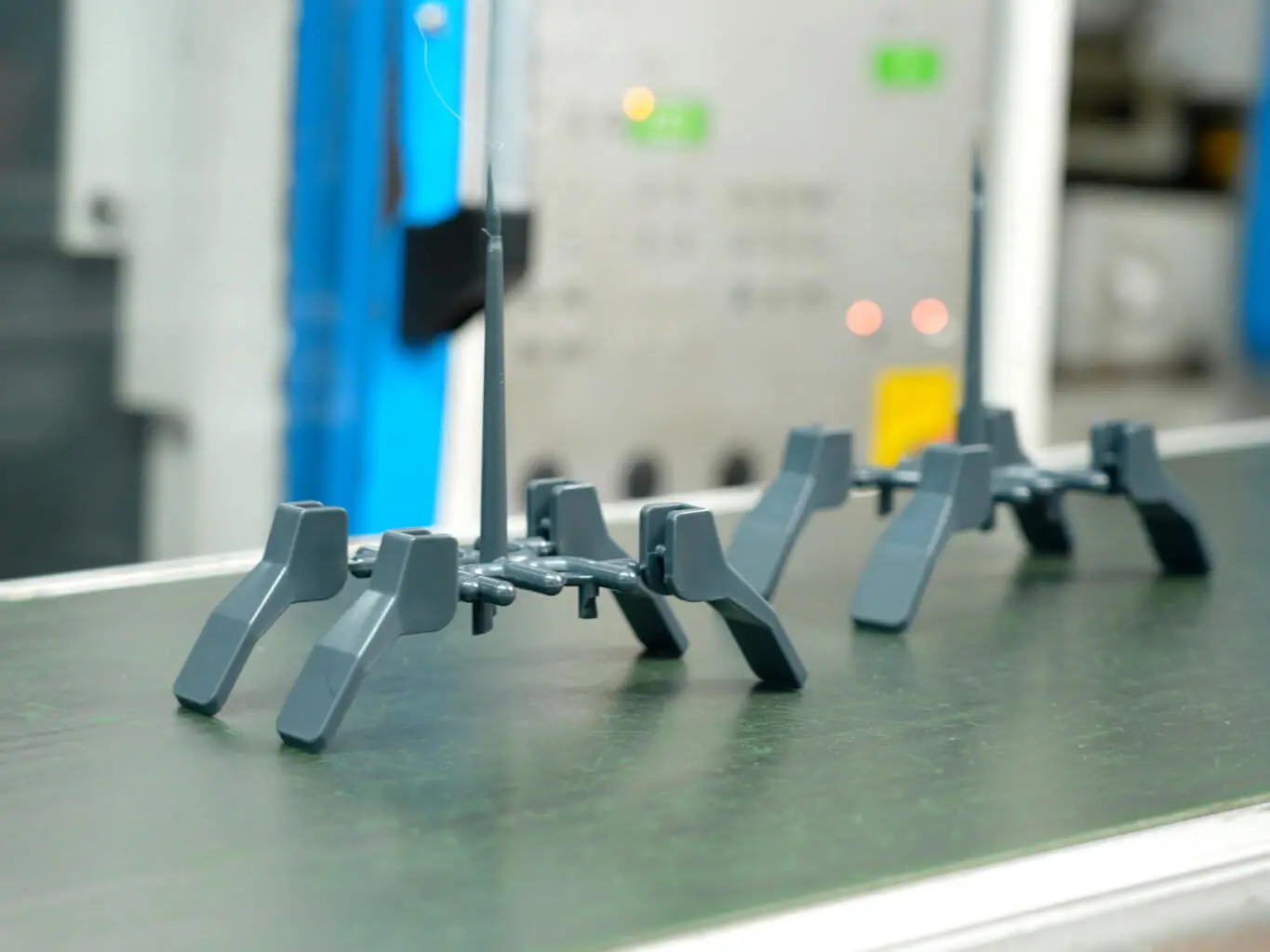
Trial molding runs from T0 through T-n against a documented sample plan agreed with the customer. Full dimensional inspection is completed on ATOS optical measurement equipment, samples are shipped internationally by courier, and short pilot runs confirm mold behavior under production conditions.
Once approved, tooling is either retained at our facility for ongoing production or prepared for export shipment with mold history records, steel certificates, BOM, cooling circuit documentation, and processing conditions.
IATF 16949
AUTOMOTIVE QUALITY MANAGEMENT
ISO 9001
QUALITY MANAGEMENT
What a Project Looks Like
Stages of a Program With AMP
A typical program moves through the following stages, from first engineering exchange to production release, with documentation captured at each step.
NDA and Engineering Exchange
Mutual NDA followed by exchange of 2D and 3D files, target volumes, and quotation
DFM and Moldflow Analysis
Design for manufacturing review and moldflow simulation to identify and resolve structural concerns before steel is cut
Mold Design and Manufacturing
Tool construction to customer specifications with option to specify component brands and machine platform
Trial Molding (T0 to T-n)
Iterative sample runs against a documented plan, with results and conditions recorded at each trial
ATOS Dimensional Inspection
Full optical measurement of trial samples, with reports issued in the customer's preferred format
Sample Approval and Production
International courier shipment of samples, pilot run confirmation, and transition to ongoing production or mold export
Get Answers From Our Experts
Project Process FAQ
If your question is not listed here, please contact us and our team will be glad to assist you.
Lead times depend on mold size and complexity. Small molds under 285T typically take 35 to 45 days, medium molds from 350T to 600T take 45 to 60 days, and large molds above 800T take 55 to 80 days. These are baseline figures and are adjusted for structural complexity, surface finish requirements, and any special component sourcing agreed at project initiation.
A mutual NDA is signed before any engineering data is exchanged. Program files are held under access control within our PLM system, and drawings, revisions, and mold records are treated as customer confidential. Access is limited to the engineering and production personnel assigned to the program.
At a minimum, 2D and 3D part files, target annual volume, target market, and any specific material or component brand requirements. Mold specifications, injection machine data, and packaging requirements are typically shared once the project is confirmed under NDA.
Facility selection is based on customer market coverage, tariff and logistics considerations, and equipment availability for the specific program. Taiwan supports parts from 30T to 3,200T with 52 injection machines, and Thailand supports parts from 65T to 1,300T with 22 injection machines. We recommend the facility that best fits the program during the quotation stage.
Exported molds are shipped with a complete history package including steel certificates, component BOM, cooling circuit documentation, processing conditions, and a pre-export inspection checklist. Shipping is supported by air or sea freight with commercial and export documentation prepared to the customer's destination country requirements.