
About Our Process Control
Quality Control During the Run, Not After It
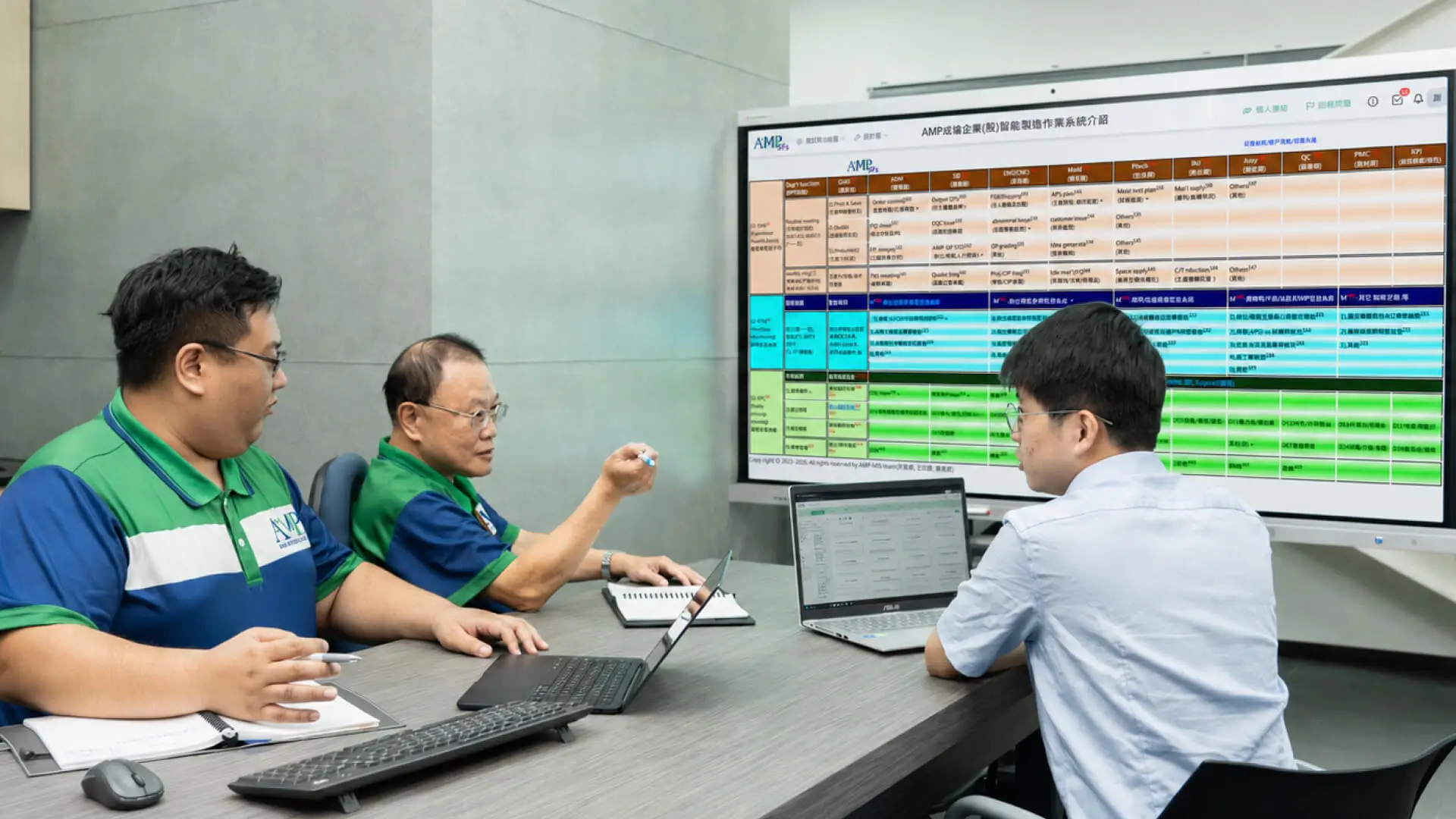
Industrial data gateways connect directly to our electric injection machines and their PLC controllers, reading core process parameters continuously and comparing them against the process window validated for your part during mold trials. When a parameter moves outside that window, the system alerts the responsible engineer immediately rather than waiting for the deviation to surface at final inspection.
The same data feeds continuous process capability calculation. If CPK degrades or trends downward, the system flags the cell and retrieves the parameter settings from the last three runs of the same mold in the same material, giving the technician a validated reference rather than a trial-and-error adjustment.
Every alert opens a corrective action record that stays open until the cause is corrected and verified. Process deviations route to our process improvement library, equipment deviations to preventive maintenance.
IATF 16949
AUTOMOTIVE QUALITY MANAGEMENT
ISO 9001
QUALITY MANAGEMENT
What's on the Production Floor
Process Monitoring and Automation in Daily Operation
Continuous parameter monitoring, automated handling, and integrated project systems, all running under one quality framework.
Real-Time Parameter Monitoring
Data gateways read barrel temperature, injection pressure, holding time, clamping force, and screw position continuously throughout the run, with out-of-window values alerting the responsible engineer immediately
Live CPK Tracking
Process capability calculated continuously against your part's key characteristics, flagging the cell when capability falls below target or begins trending downward, before the trend becomes a quality event
Closed-Loop Corrective Action
Every alert opens a record routed to either process improvement or preventive maintenance, and stays open until the cause is corrected and the correction verified against production data
Automated Visual Inspection
CCD cameras at selected molding cells catch surface and dimensional defects at the press, before parts move to secondary operations
Electric Machines & Robotic Handling
Servo-driven electric presses for consistent shot-to-shot repeatability, with robotic arms removing parts at the press to reduce manual handling and protect cosmetic surfaces
PLM & ERP Systems
Drawings, revisions, engineering changes, and mold records in PLM; scheduling, material planning, and traceability from resin lot to finished shipment in ERP
Get Answers From Our Experts
Smart Manufacturing FAQ
If your question is not listed here, please contact us and our team will be glad to assist you.
Our gateways connect directly to the injection machines and their PLC controllers, reading barrel temperature, injection pressure, holding time, clamping force, and screw position continuously throughout the run. Values are compared against the process window validated for your part during mold trials.
Because monitoring is continuous rather than sampled, short deviations that a periodic check would miss are still captured and recorded.
Yes. Standard SPC rules run against live data and detect shifts, trends, and non-random patterns that stay within specification limits but indicate a process losing control. A run producing good parts on a steadily rising temperature trend is flagged before it produces a bad one.
For tight-tolerance and cosmetic components, this is the difference between a parameter adjustment and a sorted lot.
Rather than treating capability as a periodic study, we calculate CPK continuously from live data across the run. When it falls below target or trends downward, the system flags the cell and retrieves the parameter settings from the last three runs of the same mold in the same material.
This gives the technician a validated reference point for adjustment, and means capability problems are addressed while still trends rather than after non-conforming parts exist.
Customers on IATF 16949 automotive programs receive first article documentation, process capability studies, and part submission records as standard.
Non-automotive customers can request capability reports, deviation and corrective action records, inspection reports, and production traceability on a program-by-program basis. Format and frequency are agreed at project initiation and built into the production schedule.
Changes are logged in PLM, reviewed against tooling and process implications, and released through a controlled workflow before production is updated. Revised drawings are issued under a new revision number, and downstream production, inspection, and shipping records reflect the change.
Where a change affects the process window, monitoring parameters are updated as part of the release, so alerting is checked against the current specification rather than the superseded one.