
About Our R&D Team
End-to-End Product and Mold
Engineering Support
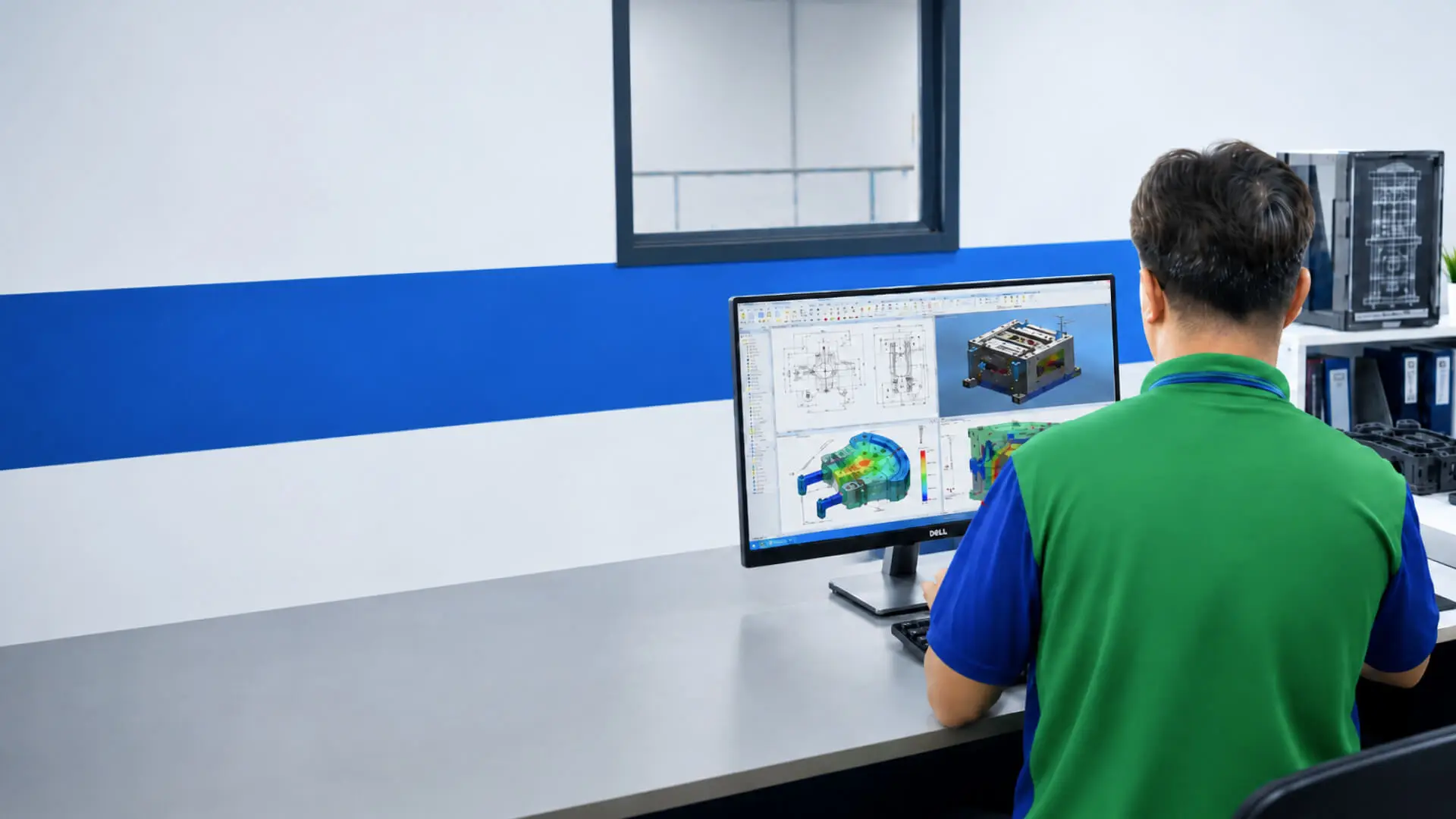
The AMP R&D team operates as an in-house engineering function covering product design, mold design and structure, CAE analysis, material selection, process development, and trial validation. Working from your 2D and 3D files, we begin with DFM review before any tooling is cut, then progress through mold flow analysis, mold design, machining, trial, and validation as a single connected workflow.
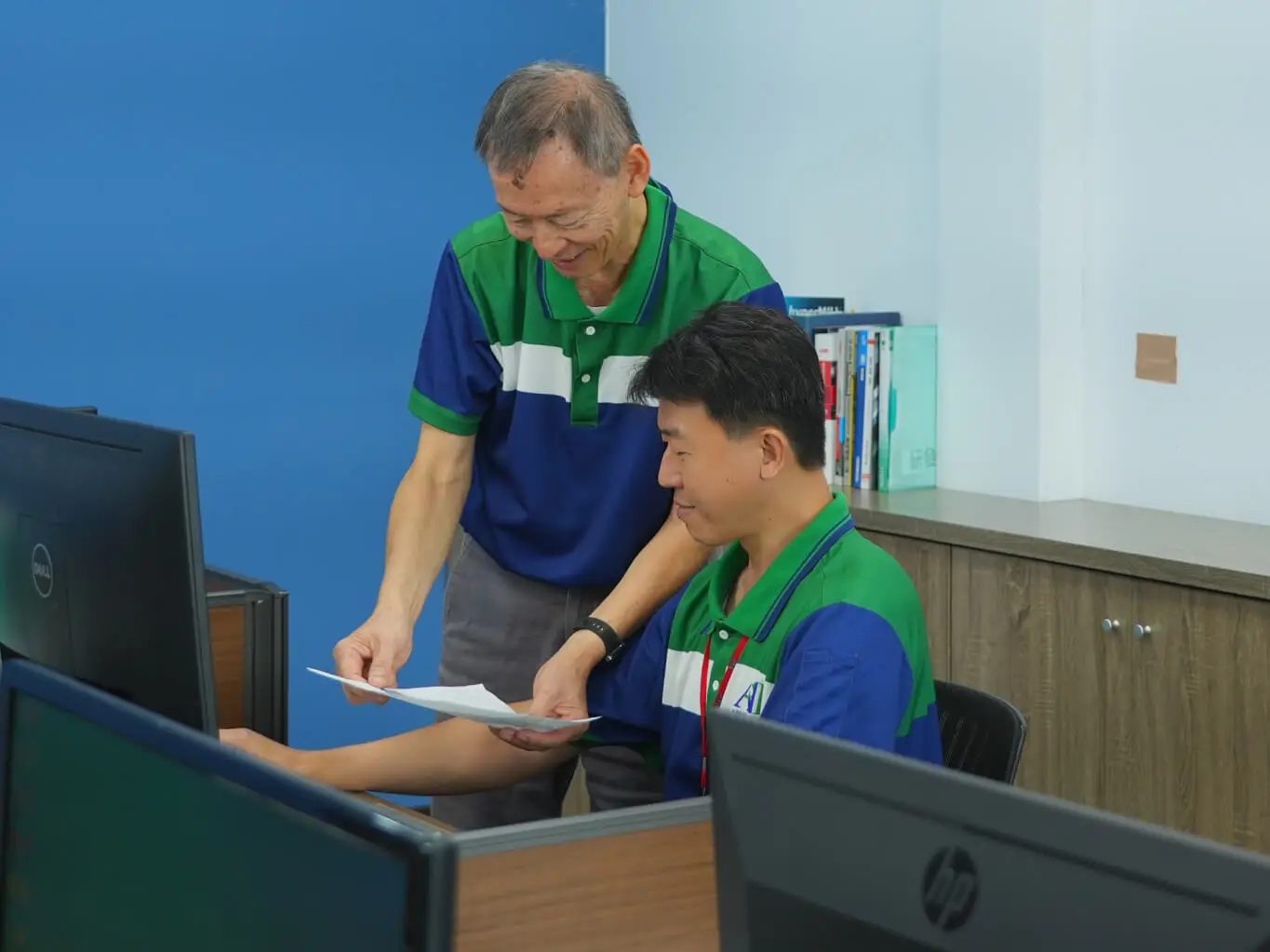
Because product engineering, tooling, and molding all sit within one certified facility, design changes and cavity modifications are handled internally rather than routed through separate suppliers. This shortens iteration cycles during the trial phase and keeps your product IP protected from the design stage through to mass production.
IATF 16949
AUTOMOTIVE QUALITY MANAGEMENT
ISO 9001
QUALITY MANAGEMENT
What We Cover
R&D Team Capabilities
Our engineering scope covers product development, mold engineering, and production readiness in one integrated function.
Product Design & DFM
SolidWorks, AutoCAD, and design-for-manufacturability review before tooling begins
Mold Design & Structure
Standard components from DME, HASCO, MISUMI, FUTABA, and LKM; UG NX Mold Wizard and SolidWorks Mold Tools
CAE Mold Flow Analysis
SolidWorks Plastics simulation to predict filling, warpage, and weld line behavior before cutting steel
Material Selection
Guidance on commodity, engineering, and glass fiber-reinforced grades matched to your application
Process Development
Molding condition setting, interpretation, and optimization for each new tool
Mold Manufacturing
In-house tooling with dimensional verification via CMM and ATOS 3D scanning
Automation Integration
Robotic arm part removal and integrated secondary operations
Quality Engineering
IATF 16949 process framework and measurement capability studies
Trial & Validation
Mold and product validation across T0 to TN stages with full-dimension reporting
Project Management
Schedule control, engineering change tracking, and PLM/ERP-supported handover
Get Answers From Our Experts
R&D Team FAQ
If your question is not listed here, please contact us and our team will be glad to assist you.
Our engineering scope covers product design review, DFM analysis, mold flow simulation, mold design and manufacture, process development, trial validation, and production handover. For OEM projects, we typically engage from DFM review onward using your existing 2D and 3D files. For ODM projects, we can support from concept and prototype through to production-ready tooling and parts.
Yes. We start with a DFM feasibility review against your 2D and 3D files, followed by CAE mold flow analysis using SolidWorks Plastics. Findings and proposed structural revisions are documented and reviewed with you before mold design is finalized, which reduces the risk of costly modifications after steel is cut.
Both. OEM projects are manufactured to your drawings and specifications with engineering support focused on manufacturability and process development. For ODM projects, our team can engage earlier in the cycle, providing product design, material selection, prototyping, and mold engineering as part of a single scope of work.
Product and mold design are handled in SolidWorks, AutoCAD, UG NX Mold Wizard, and SolidWorks Mold Tools, with CAE mold flow analysis in SolidWorks Plastics. Mold construction uses standard components from DME, HASCO, MISUMI, FUTABA, and LKM to keep your maintenance and spare parts supply globally accessible. Quality engineering is run to the IATF 16949 framework for automotive programs and ISO 9001 for non-automotive.
Because product engineering, tooling, and molding all sit within one facility, engineering changes and cavity modifications are scheduled and executed internally rather than routed through external mold shops. This removes handoff delays during the trial phase and gives your program a single point of accountability from DFM through to mass production.