
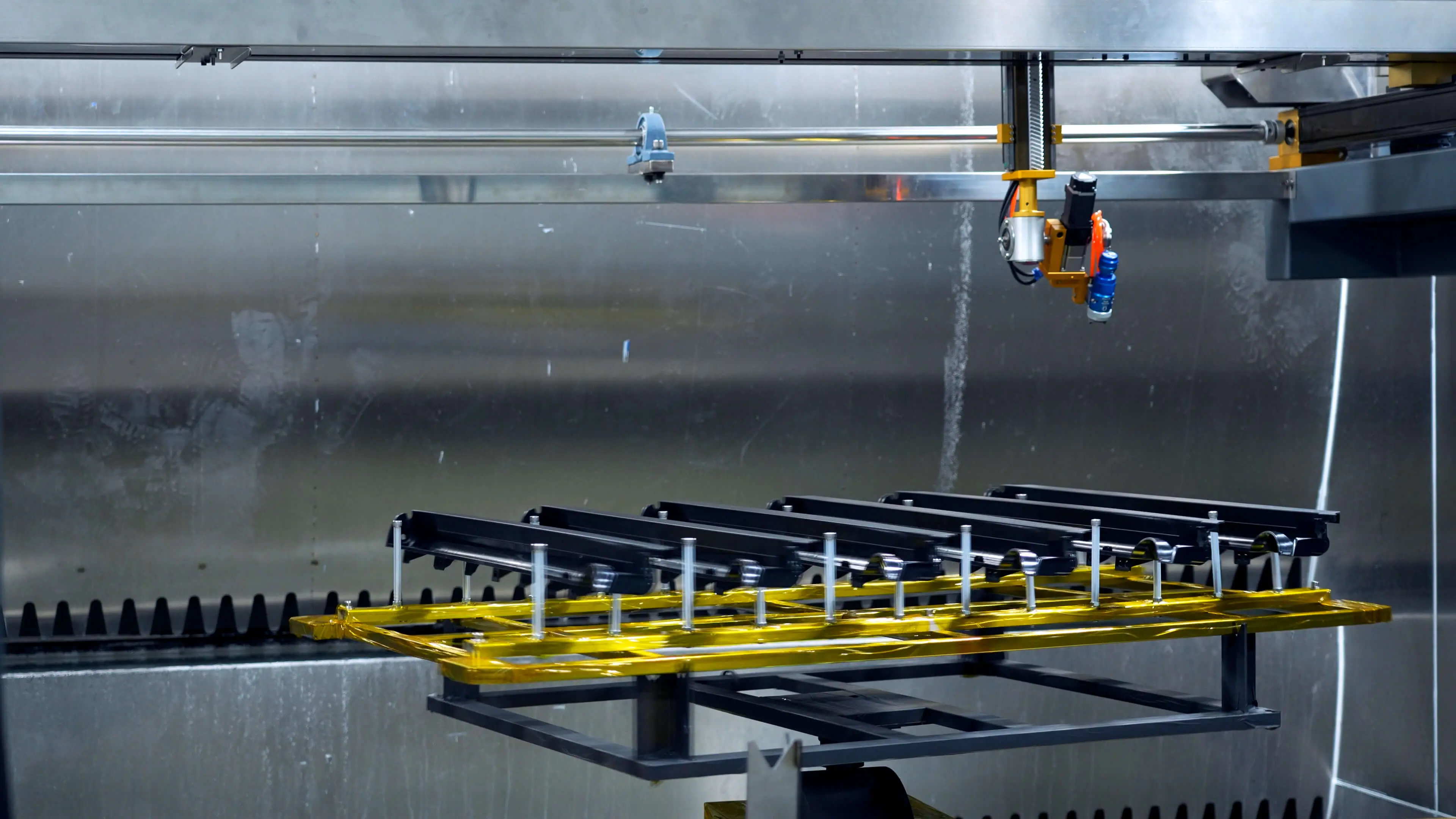
No Outsourcing. No Handoffs
Everything Finished
Under One Roof
Finishing is commonly outsourced by injection molders, which adds lead time, logistics risk, and IP exposure at every handoff. At AMP, decoration, marking, and surface treatment are part of the same production flow as molding. Your parts are finished by our own team in our own facility, and you deal with one supplier from raw material through to packaged product.
We run the following finishing processes in-house across our Taiwan and Thailand operations:
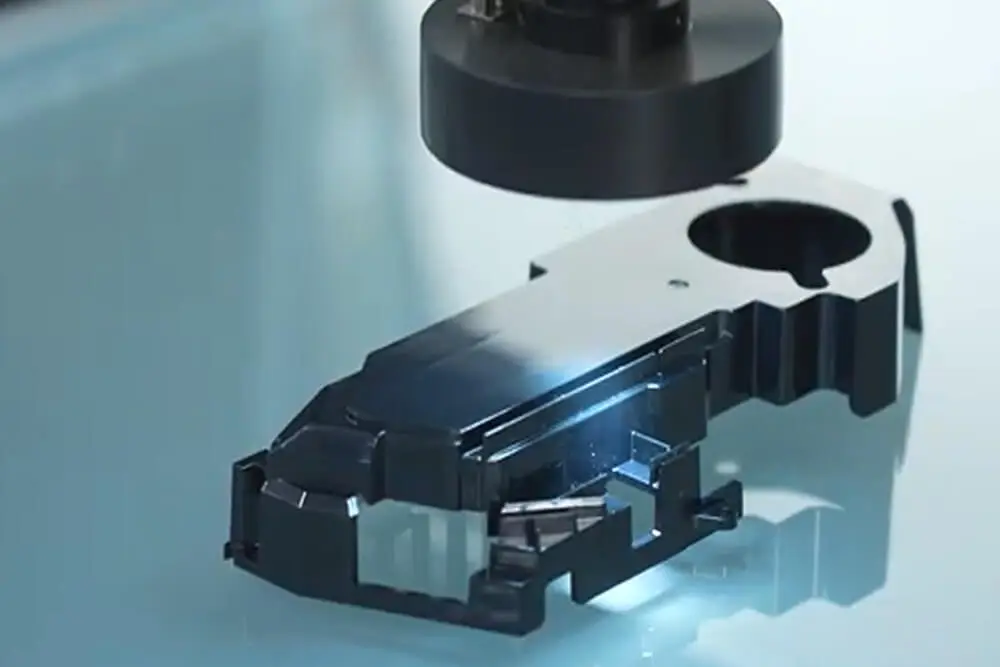
PRODUCT FINISHING
HEAT SET INSERT / ASSEMBLY/ PAINTING
GRAPHICS & BRANDING
PRINTING (SCREEN & TRANSFER) IN-MOLD LABELING (IML)
Scope
Compatible Materials & Applications
Our finishing processes cover the full range of materials we mold, including ABS, PC, PP, PE, PMMA, PS, PCTG, and PC+ABS. Applications span consumer electronics, home appliances, automotive parts, and food containers depending on the process.
Not every process suits every part. If your design includes finishing requirements, include them in your RFQ and we will confirm which processes apply and whether any geometry or material constraints affect the approach.
Engineering plastics: ABS, PC, PC+ABS
Commodity plastics: PP, PE, PS
Clear / Specialty plastics: PMMA, PCTG
Quality Control
Appearance Inspection Before Shipment
Finished parts are checked against approved reference samples before leaving the production line. Our QA team inspects for surface defects covering the full range of injection molding and finishing outcomes, including bubbles, sink marks, scratches, color variation, flash, contamination, and incomplete fill. Inspection records are included with your production documentation.
ISO 9001 quality framework
ISO 14001 environmental management
Inspection against approved reference samples
Defect records included with production documentation
Photos
Product Finishing Gallery
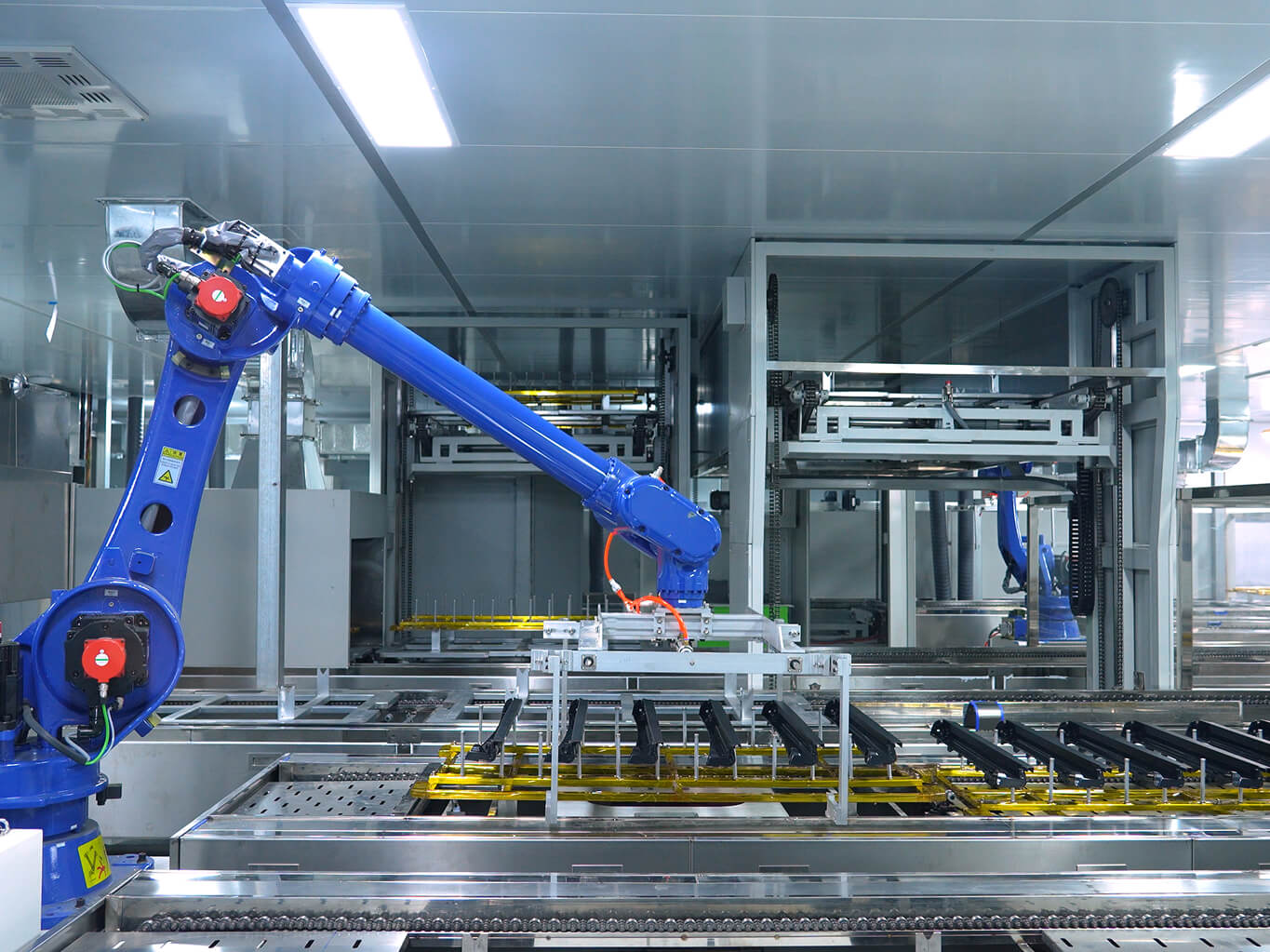
Robotic spray painting line AMP's six-axis robot loading parts onto the conveyor inside our automated spray painting clean room for consistent, high-volume surface finishing in-house
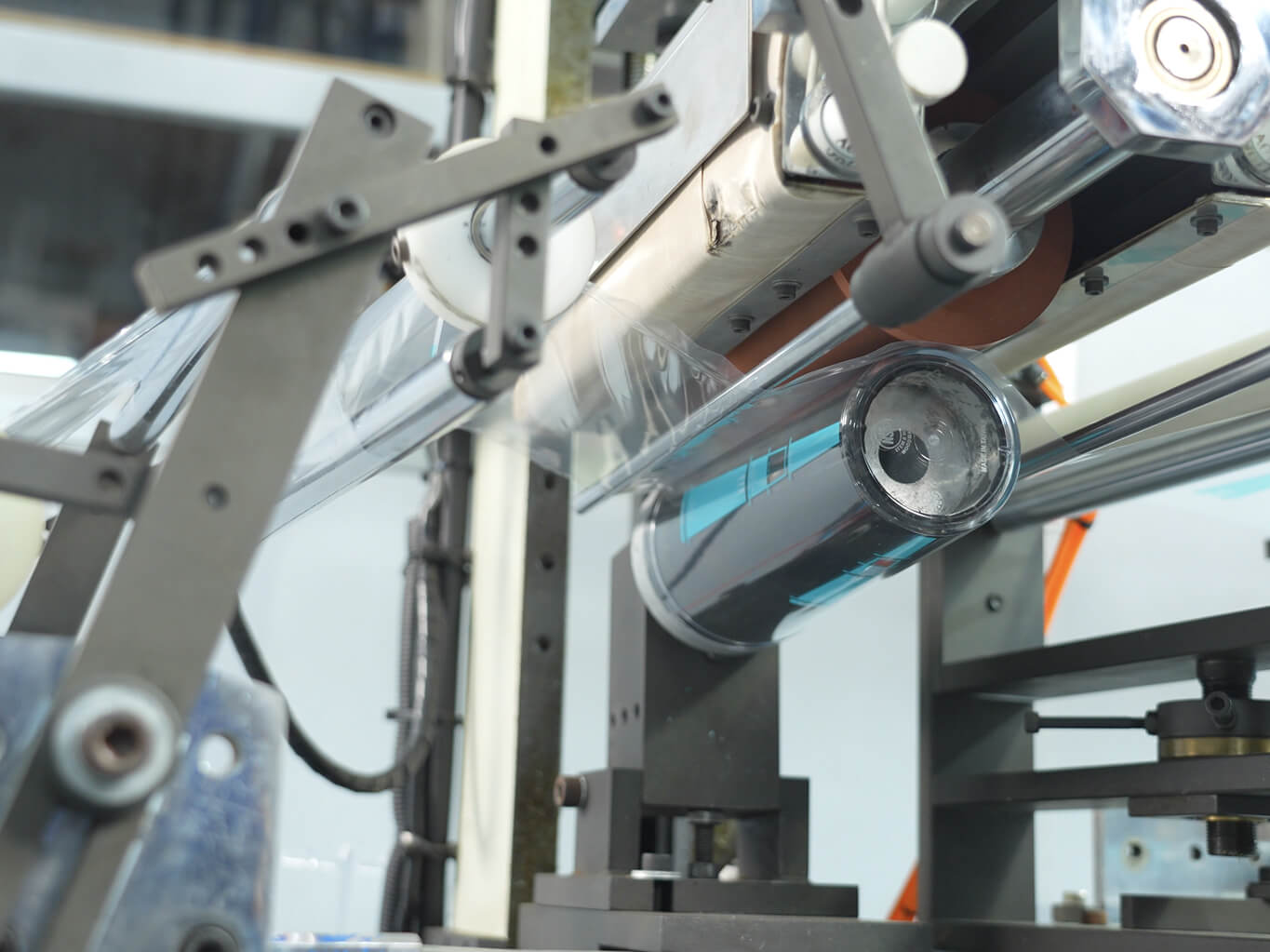
Transfer printing AMP transfer printing applies a design from a film onto the surface of a molded plastic product as a secondary operation after injection molding, all handled in-house
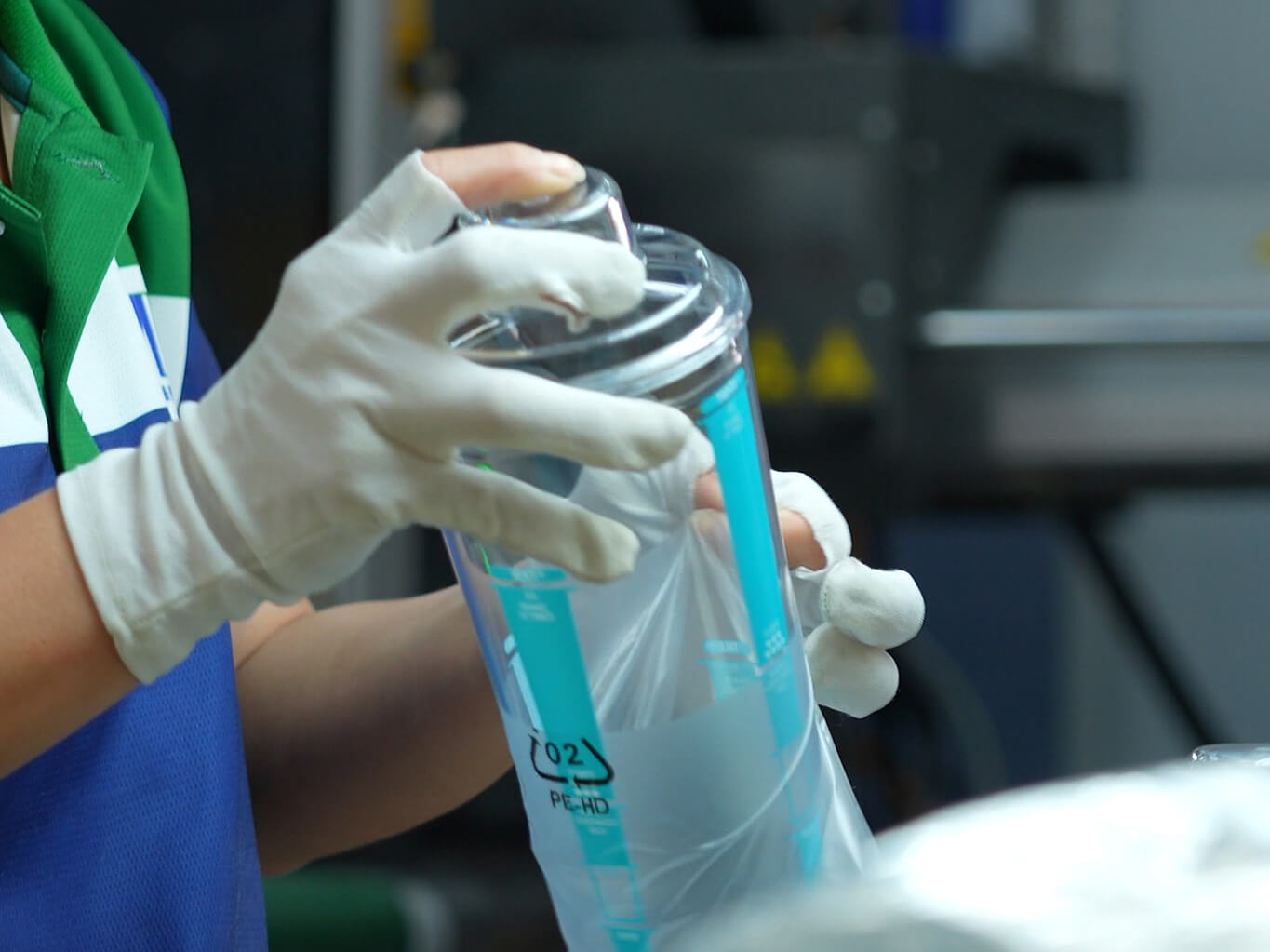
Transfer printing inspection AMP operator inspecting a transfer-printed product for decoration quality before packaging, all handled in-house
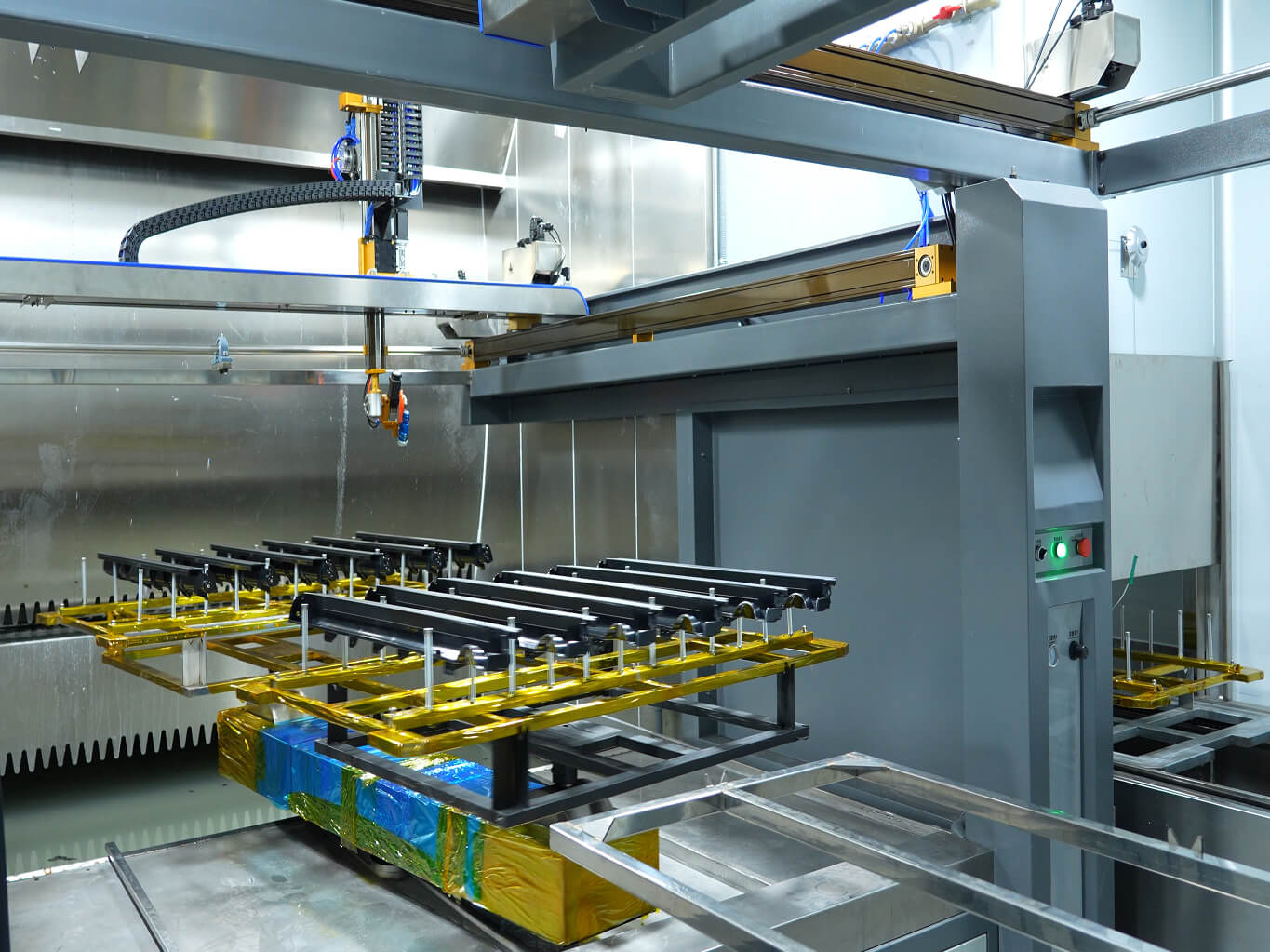
Automated paint line conveyor AMP's automated clean room spray painting line with parts fixtured on jigs and conveyed through the paint booth for consistent surface coating in-house
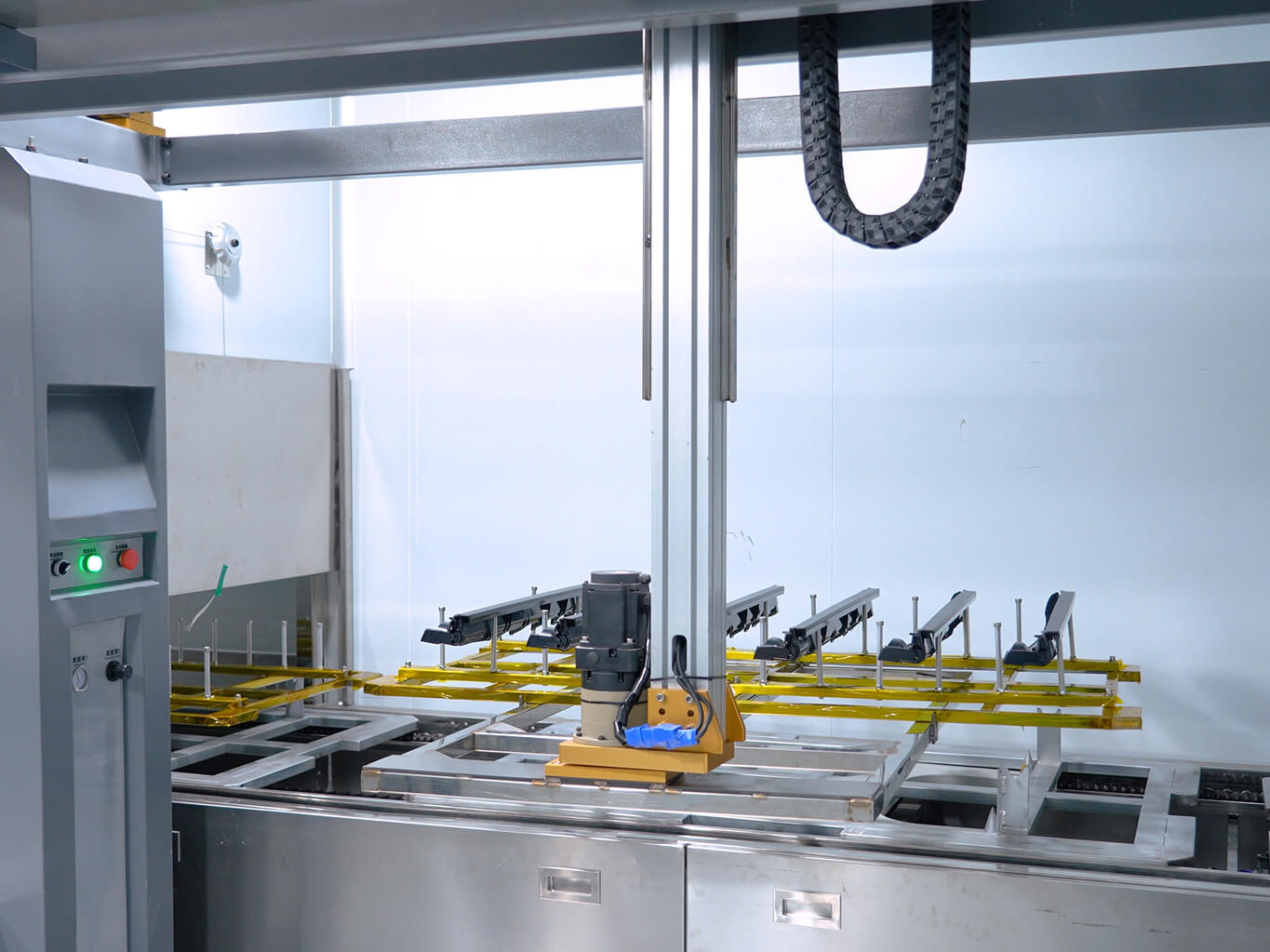
Robotic spray painting booth AMP's robotic spray gun and part fixtures inside our enclosed clean room paint booth, applying controlled surface coatings to injection-molded components in-house
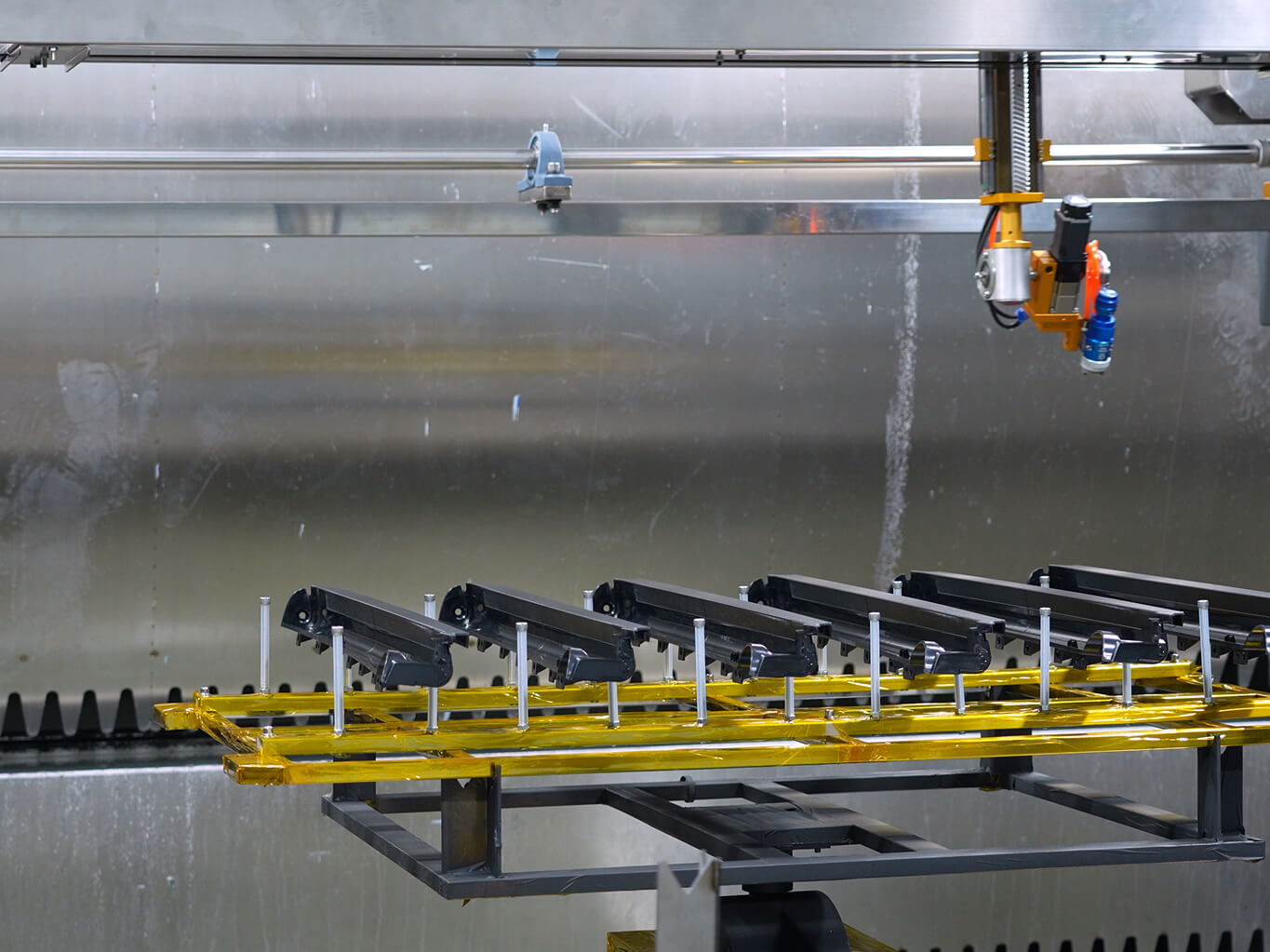
Automated spray coating AMP's automated spray nozzle applying surface coating to fixtured injection-molded parts inside our enclosed clean room paint line
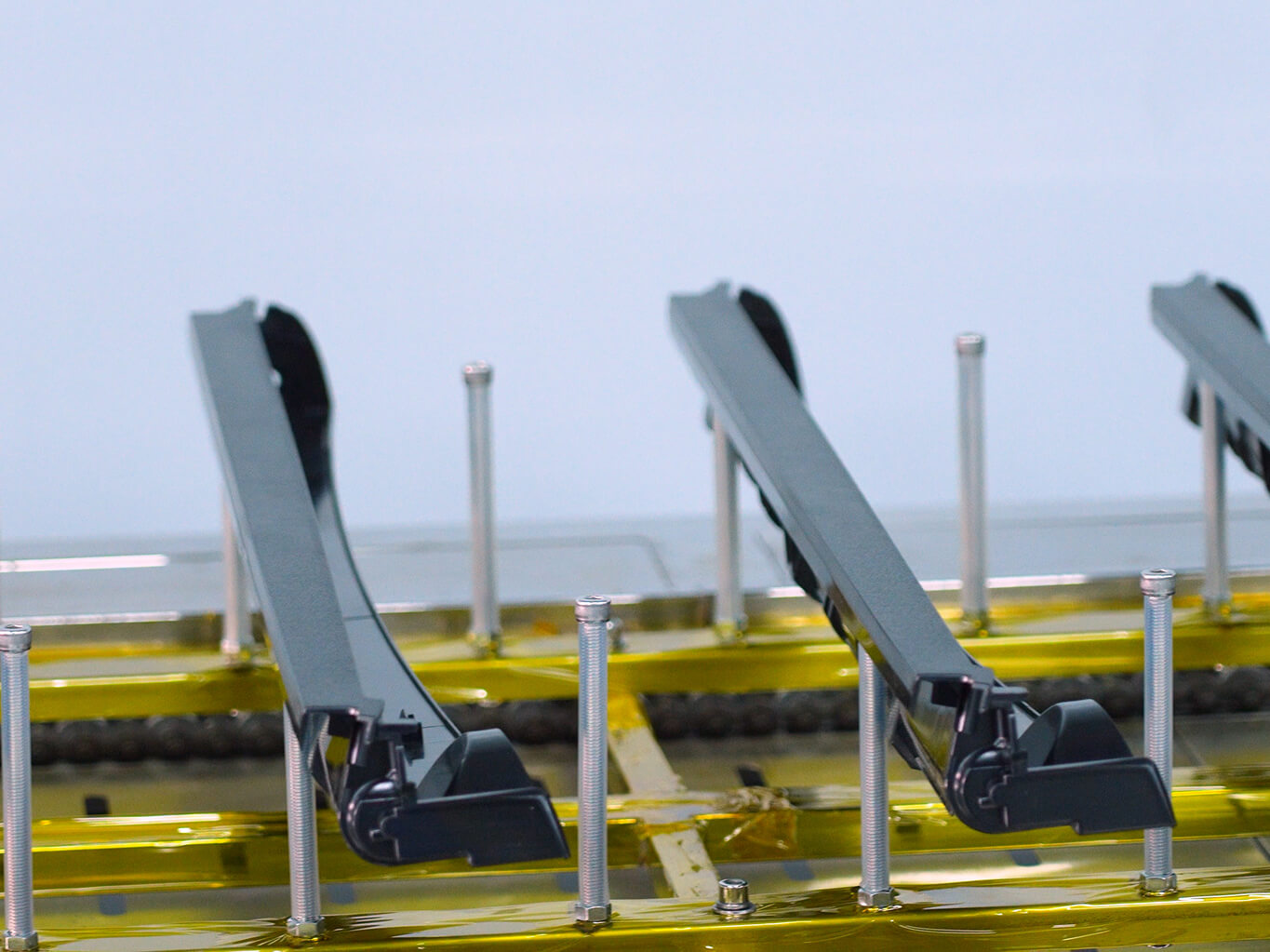
Spray-painted finished parts AMP spray-painted automotive components with gloss finish, fixtured on our automated paint line jig after coating in our in-house clean room
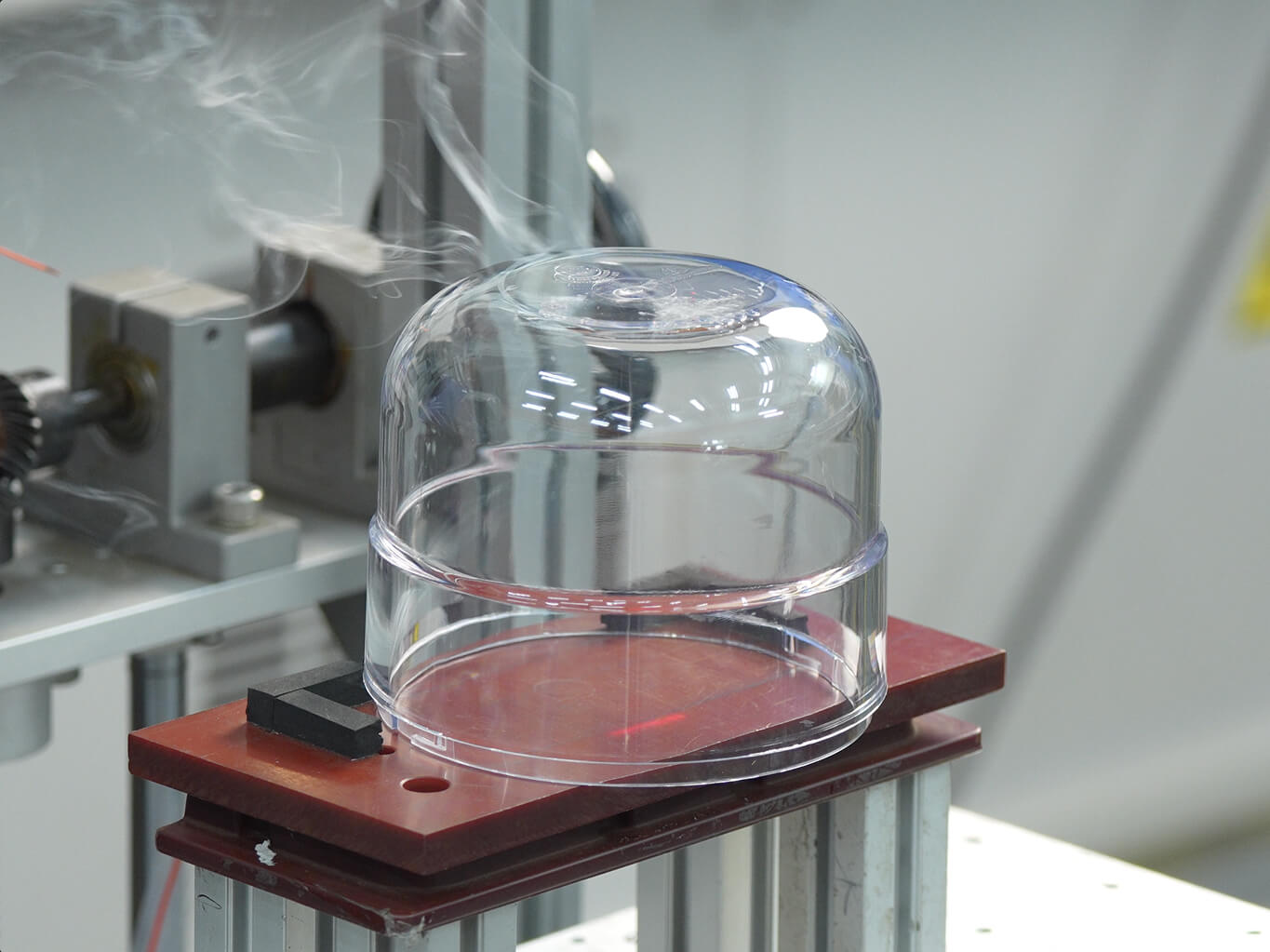
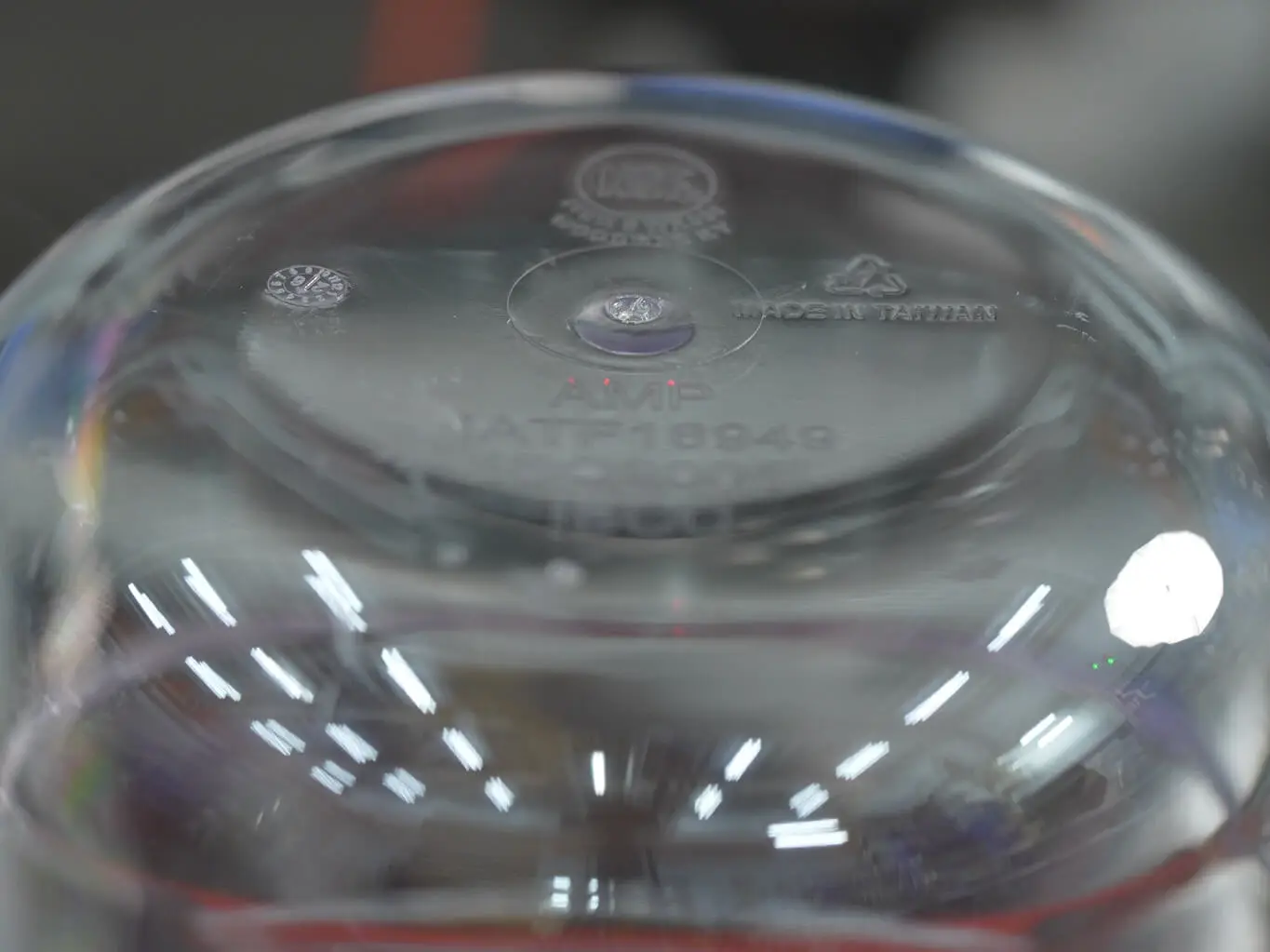
Laser engraving on clear component AMP laser engraving markings onto a transparent injection-molded component, with all decoration and marking handled in-house at our facility
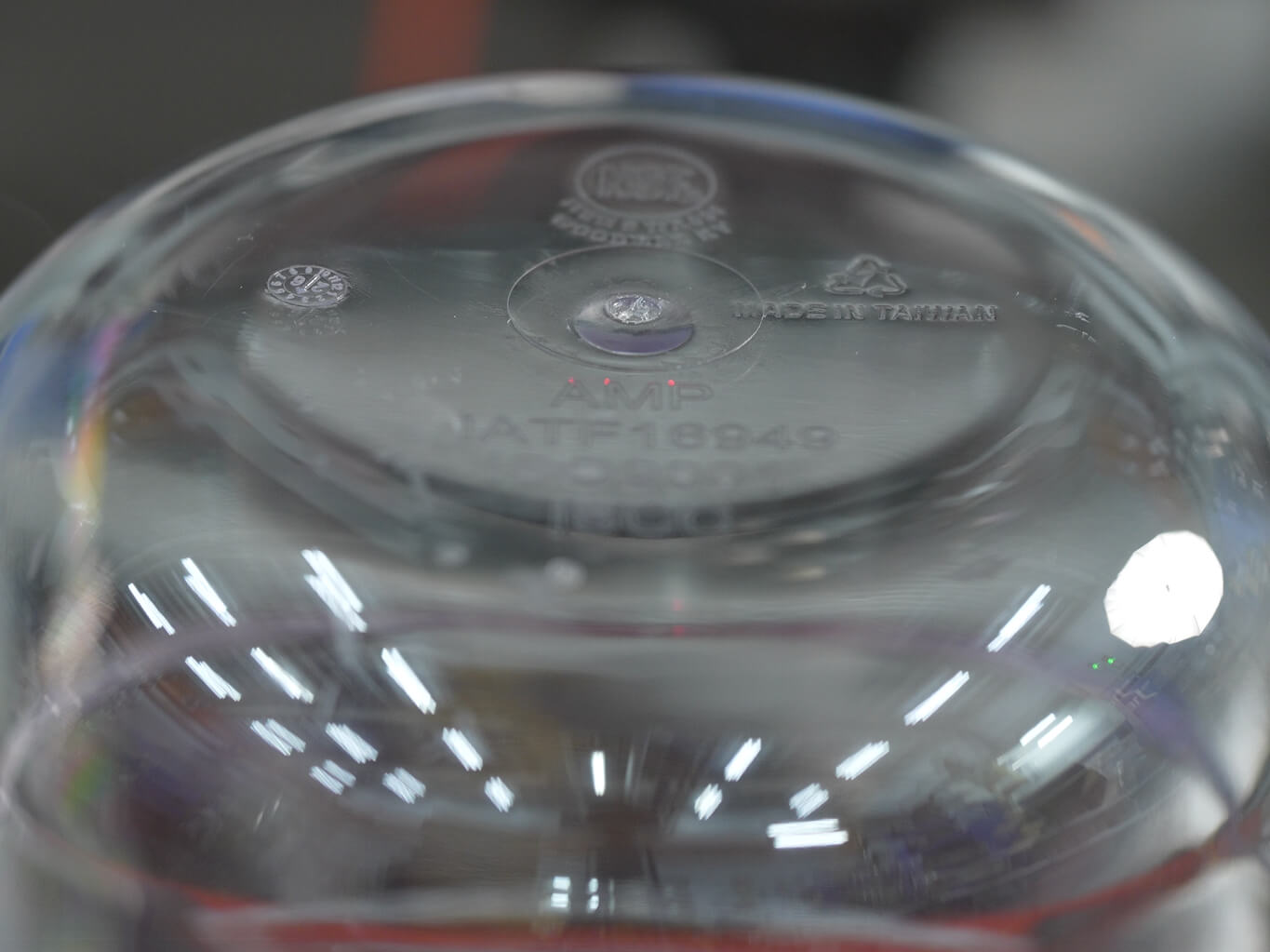
Laser-engraved certification marks AMP laser-engraved IATF 16949 certification, recycling symbols, and branding on the base of a transparent injection-molded component
Get Answers From Our Experts
Product Finishing FAQ
If your question is not listed here, please contact us and our team will be glad to assist you.
Screen printing, transfer printing, in-mold labeling, laser engraving, spray painting, and sandblasting are all performed in-house at our Taiwan and Thailand facilities. None of these are outsourced to third-party suppliers.
Yes. Our finishing processes cover products across consumer electronics, home appliances, automotive components, and food containers. The right process depends on your material, part geometry, and decoration requirements. Include your finishing spec in your RFQ and we will confirm what applies.
We laser engrave ABS, PC, ABS+PC, PA, and PBT. The process produces permanent markings including logos, QR codes, barcodes, serial numbers, batch codes, and regulatory symbols such as CE, RoHS, and voltage ratings. Because each part can be programmed individually, variable data such as serial numbers can differ unit to unit at no added setup cost.
Both. Spray coating improves surface hardness, abrasion resistance, UV resistance, and weather resistance in addition to providing color finish. Functional coating requirements should be specified in your RFQ so we can confirm the right coating system for your application.
In-mold labeling integrates a pre-printed label directly into the part during the injection molding cycle, so no secondary decoration step is required. The label is bonded to the part rather than applied afterward, which produces a more durable finish. It is most commonly used on food containers and consumer packaging where high-resolution graphics and color consistency matter.
Transfer printing and in-mold labeling are both used on food containers we produce. If your application has specific compliance requirements, include them in your RFQ so we can confirm the appropriate process and materials.