
Reduced Environmental Impact
Lighter Plastic Parts &
Lower Energy Usage
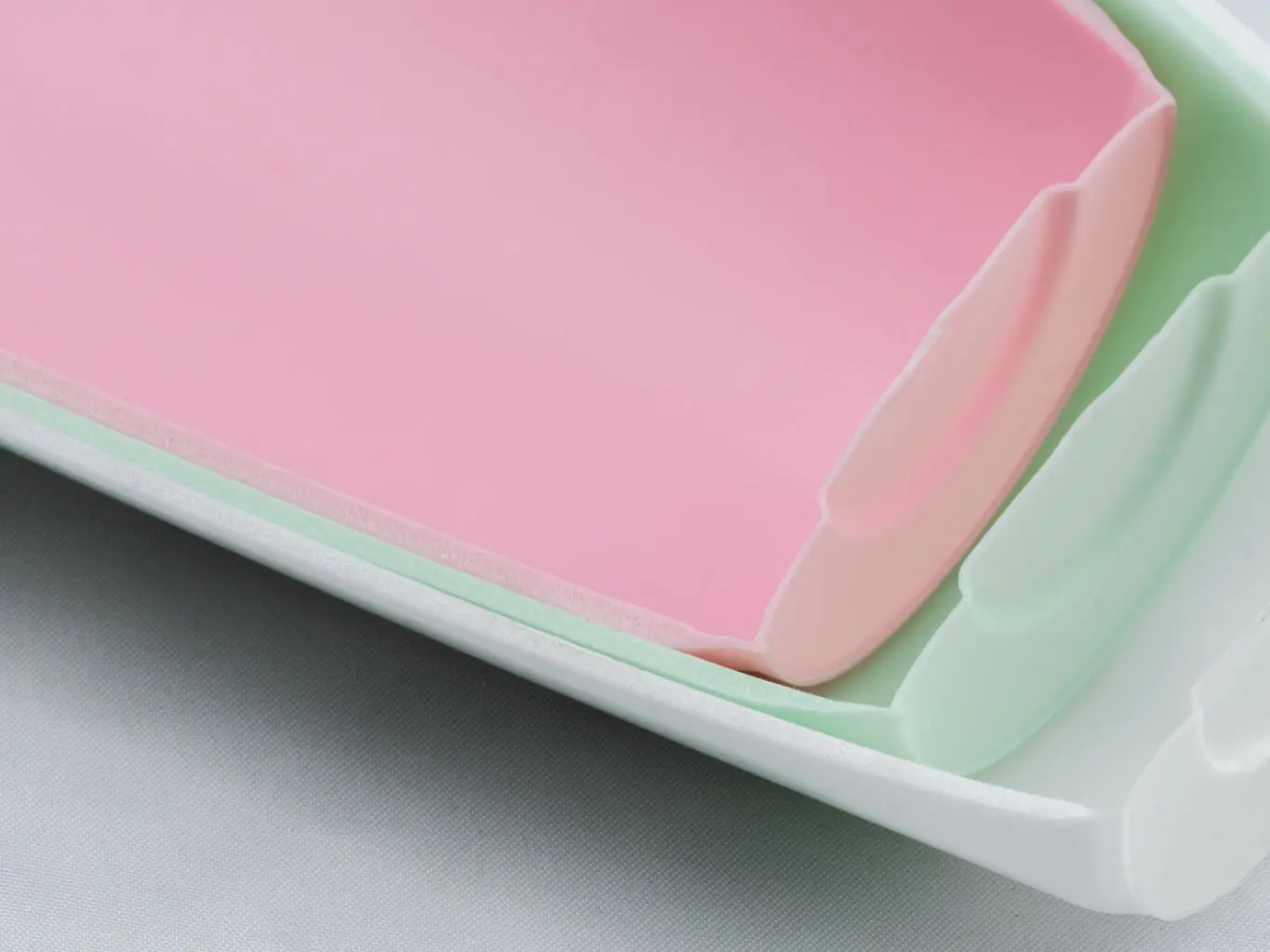
Supercritical foam molding cuts material weight by injecting inert gas into the polymer melt to form a fine cellular structure inside the part wall. On a recent 16oz cup program, foaming reduced part weight from 49.15g to 25.55g, a 48% material saving per piece.
Applied across a run of 18 million cups, this represents around 972 tonnes of embodied CO2 avoided compared to solid virgin PP.
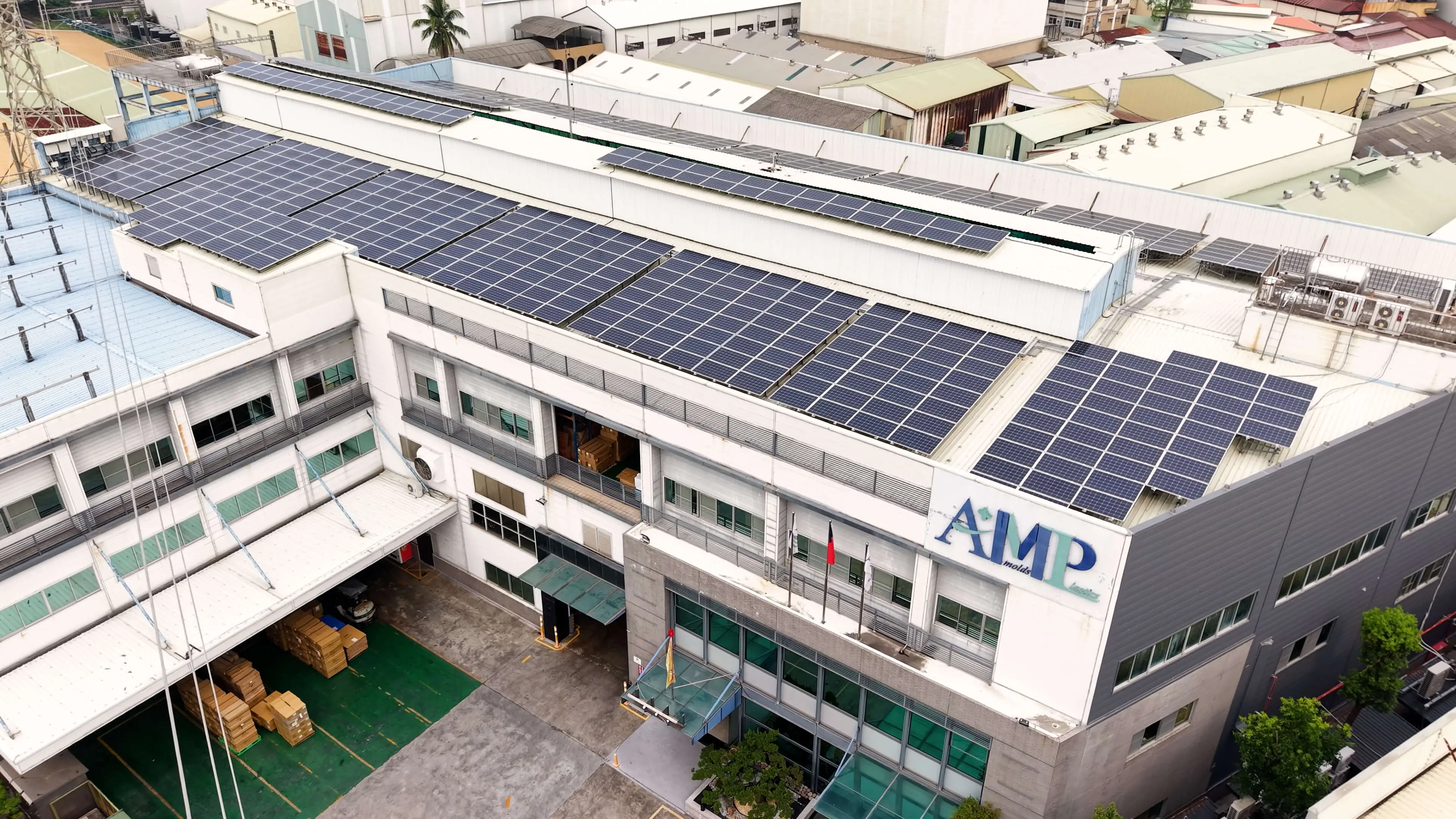
We are progressively replacing servo hydraulic machines with all-electric injection machines at both facilities. On equivalent workloads, all-electric machines use 24.3 kWh per hour versus 63.1 kWh for hydraulic systems, a 61% reduction in electricity and a 50.4% reduction in CO2 per machine hour. Resin dryers with double-layer insulation reduce dryer energy use by around 40%.
ISO 14001
ENVIRONMENTAL MANAGEMENT
ISCC PLUS
SUSTAINABLE MATERIALS
What We Do for Sustainability
Sustainability Activities Across Our Operations
Our environmental program combines process technology, equipment upgrades, and certified material sourcing under one management system.
Supercritical Foam Molding
Reduces part weight up to 48% on suitable geometries, cutting plastic use, shipping weight, and embodied carbon per piece
All-Electric Injection Machines
Progressive fleet replacement reduces electricity use by 61% and CO2 per machine hour by 50.4% compared with servo hydraulic systems
Insulated Resin Dryers
Double-layer insulated dryer units with integrated feed systems reduce drying energy consumption by around 40%
ISCC PLUS Certified Recycled Resin
Mass-balance certified sourcing of recycled and bio-based feedstocks with documented chain of custody to the finished part
Product Carbon Footprint Measurement
Verified carbon footprint on selected products, including the Eco Elephant plastic fire extinguisher certified in 2017
ISO 14001 Environmental Management
Certified since 2016, governing monitoring, control, and continuous improvement of environmental performance across production
Get Answers From Our Experts
Sustainability FAQ
If your question is not listed here, please contact us and our team will be glad to assist you.
Foam molding works well on PP, PE, PS, and several engineering resins where wall thickness allows a stable cellular structure to form. It suits containers, structural parts, and thick-wall components. Very thin-walled parts and high-precision cosmetic surfaces are less suitable. We assess feasibility from a 3D file at the quotation stage.
Yes, under our ISCC PLUS mass-balance certification. Recycled content availability depends on the resin grade and the target regulatory market. Food-contact and medical applications carry additional constraints under FDA 21 CFR Part 177 and EU 10/2011 that may limit recycled content usage.
Servo hydraulic machines are replaced with all-electric units as they reach end of service life or when new capacity is added. Current mix by facility is available on request for confirmed projects.
Yes, for selected programs. The Eco Elephant plastic fire extinguisher holds a verified carbon footprint certification issued in 2017. Product-level carbon accounting for other programs can be arranged on request and is supported by upstream material declarations from certified resin suppliers.
Both facilities operate under ISO 14001 environmental management principles and share the same equipment upgrade path for electric machines and insulated dryers. Local environmental permits and reporting requirements differ between jurisdictions.