
Injection Mold Cost
Last updated
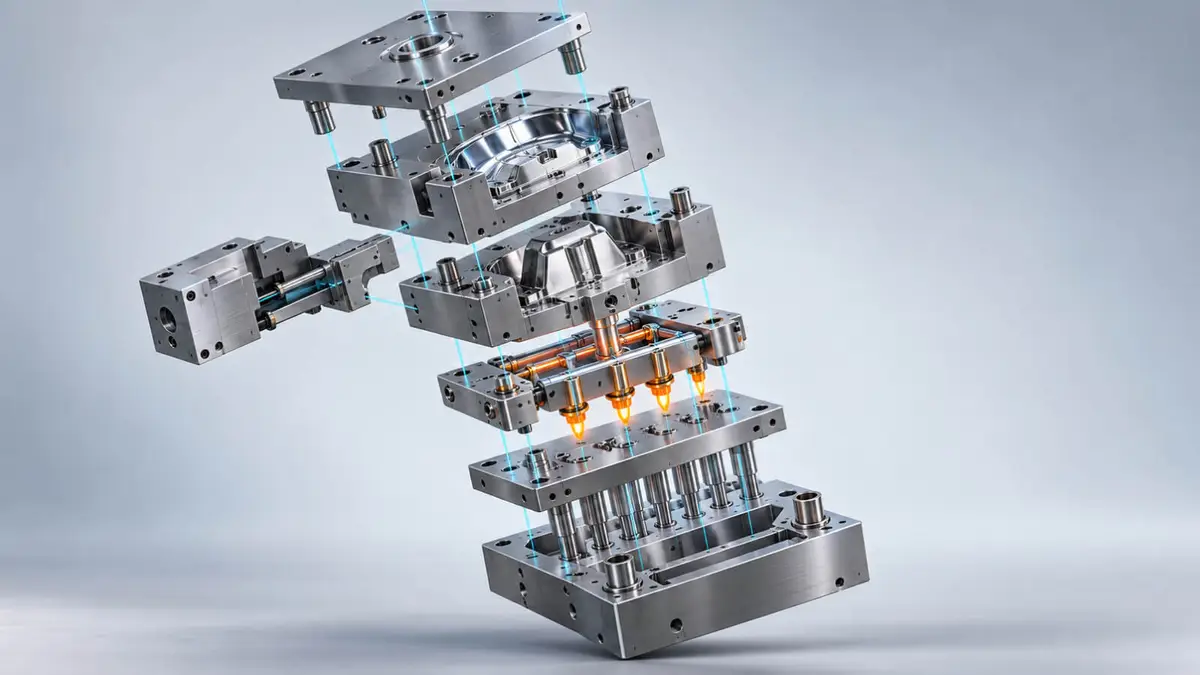
Definition of Injection Mold Cost
Injection mold cost is the one-time price of designing, machining and proving out the tool that produces your plastic parts, and it sits separately from the per-piece price you pay afterwards. The figure reflects a good deal more than steel. Cavity count, part complexity, tolerance, surface finish, the presence of side actions or unscrewing cores, the grade of mold base and the number of trials the builder expects before approval all feed into it.
A single-cavity prototype tool in soft steel sits at one end of the range, while a hardened multi-cavity production tool with hot runners sits at the other, at many times the price.
Buyers sourcing from Taiwan and Southeast Asia usually find tooling quoted below European or North American equivalents, though that comparison only holds when the specification is written out in the same detail on both sides. Where a quotation does not state steel grade, expected cycle life and who pays for engineering changes, the number on the page is not yet comparable to anything.
Why It Matters for Plastic Injection Molding
Tooling is normally the largest single sum you commit before the first shipment, and you commit it months before any revenue arrives. Getting the figure wrong in either direction hurts. An underspecified tool fails early and stops your line, while an overspecified one ties up cash you could have put into inventory or market development.
The quotation also tells you a good deal about the supplier, quite apart from the number at the bottom. A builder who breaks the price into design, steel, machining, hot runner and trials has thought about your part. One who returns a single lump sum with no assumptions listed is usually pricing on hope, and that tends to surface later as change orders.
Cost per part is largely determined at the tooling stage as well, since cavity count, cycle time and scrap rate all follow from how the mold was built. A cheaper tool that runs a longer cycle can cost you considerably more across a three-year production run.