
Mold Ownership
Last updated
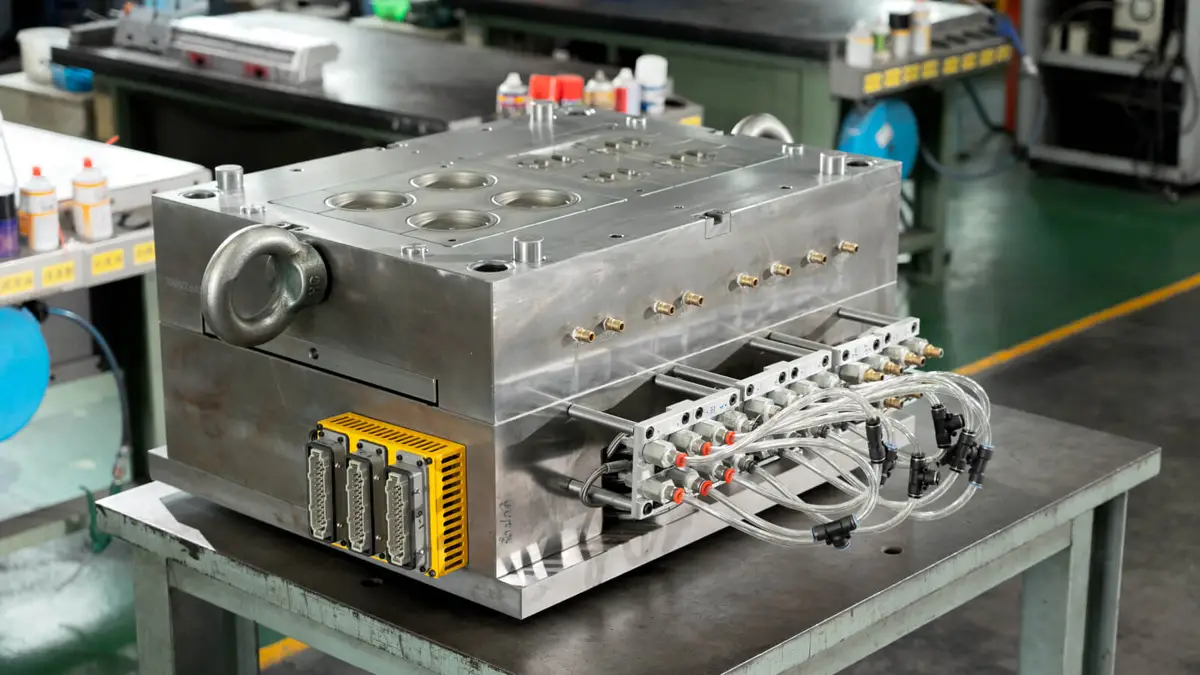
Definition of Mold Ownership
Mold ownership is the question of who holds legal title to the injection tool used to make your parts, and contract terms decide it rather than who physically has the mold. Where you pay the full tooling cost, ownership normally transfers to you, though it does so clearly only when the purchase order says as much and identifies the tool by number. Where the supplier funds the tool and recovers the cost through the piece price, the mold usually remains his until the agreed volume has run, and sometimes for longer.
Buyers sourcing in Taiwan and Southeast Asia should also treat possession as separate from title, since a tool you own but which sits on a supplier's floor is difficult to recover in a dispute, particularly where invoices are outstanding.
Written terms covering title, the conditions for transfer, storage, maintenance responsibility and the procedure for moving the tool are worth a great deal more than any assumption about what is customary.
Why Mold Ownership Matters for Your Business
Ownership determines whether you can move production, and a supplier knows perfectly well whether you are in a position to take the tool elsewhere. That knowledge shapes every price and quality discussion you have afterwards.
The practical risk is rarely a bad-faith seizure. Far more often it is an unclear purchase order from four years ago, a tool stamped with the supplier's own number and no record of who paid for what. Photograph the tool, record its identification number and keep the invoice showing the tooling payment.
Where the supplier funds the tool, the arrangement can still suit you, provided the terms state the volume at which title passes and what happens if you never reach it. What causes trouble is silence, since a tool whose ownership nobody has agreed tends in practice to belong to whoever is holding it.